Oral health is a pivotal component of overall well-being, acting as a gateway to myriad health outcomes. An effective approach to oral care ensures that individuals maintain healthy teeth and gums throughout their lives. In this comprehensive guide, we delve into the multifaceted world of dental services and care, highlighting the components that build a robust oral health routine. From understanding preventive care to exploring advanced surgical needs, this article offers detailed insights and practical guidance. With the growing recognition of oral health’s impact on general health, prioritizing consistent care has never been more critical. Embracing regular check-ups and innovations in dental technology will not only preserve your smile but also enhance your overall health.
Beyond appearance, oral health influences how the body functions on a daily basis. Teeth and gums play an essential role in proper digestion, clear speech, and facial structure, while chronic inflammation in the mouth has been linked to broader health concerns. Small issues, when left unaddressed, can progress into more complex conditions that affect comfort, confidence, and quality of life. By understanding available treatment options and the purpose behind them, individuals are better equipped to make informed decisions. A proactive, educated approach to oral care supports long-term wellness, reduces the likelihood of unexpected complications, and helps ensure healthier outcomes at every stage of life.

Building a Strong Foundation Through Routine and Preventive Care
Routine dental care is foundational to preventing common oral health issues such as cavities and gum disease. By engaging in preventive measures, patients can enjoy better oral health and avoid more invasive treatments in the future. Dental care services typically include regular cleanings, examinations, and guidance on effective home care practices.
The focus of preventive care is maintaining healthy teeth and gums through proactive management. Regular visits to a dental office help catch potential problems early, ensuring minor issues don’t escalate into major complications. Engaging in good oral hygiene practices at home complements in-office care, creating a robust oral health strategy.
Preventive dental visits promote conservation of natural teeth and minimize the need for restorative procedures. These visits often involve professional cleanings that remove plaque and tartar that regular brushing might miss. By committing to a routine, individuals can reduce the risk of oral diseases, ultimately supporting their overall health long-term.
What to Expect During a Comprehensive Visit and Why It Matters
A comprehensive dental visit typically includes a thorough examination, professional cleaning, and an assessment of the patient’s overall oral health. This in-depth evaluation is crucial for creating a personalized care plan tailored to the patient’s specific needs. Each dental check-up provides an opportunity to update the dentist about any changes in oral health.
Dental offices with a focus on comprehensive care take time to educate patients on potential concerns and effective care strategies. Communication during these visits enables patients to understand their oral health status and make informed decisions about treatment options. Such visits are essential for maintaining oral health and ensuring timely interventions when necessary.
An emphasis on comprehensive care underscores the importance of early detection and preventive action. By identifying problem areas before they become symptomatic, dentists can guide patients towards treatment options that preserve oral health while optimizing function and aesthetics. As such, comprehensive visits serve as a cornerstone of any effective dental care routine.
Replacing Missing Teeth to Restore Function and Prevent Future Problems
Missing teeth, if left unaddressed, can lead to several complications, including shifting teeth and deterioration of the jawbone. Dental implants serve as an effective solution, offering both functional and aesthetic benefits. This treatment involves embedding a titanium post in the jaw, which secures a prosthetic tooth in place.
The benefits of dental implants extend beyond appearance; they provide a robust structure that mirrors natural tooth roots. By choosing implants, patients can avoid bone loss, which is a common consequence of missing teeth. Furthermore, dental implants enhance oral health by maintaining alignment and preventing abnormal wear on remaining teeth.
One of the key advantages of dental implants is their longevity and durability. Unlike temporary solutions, implants are designed to last for decades, providing a permanent solution to tooth loss. As such, dental implants not only restore functionality but also contribute significantly to long-term oral health maintenance.
Aligning Teeth for Health, Comfort, and Easier Maintenance
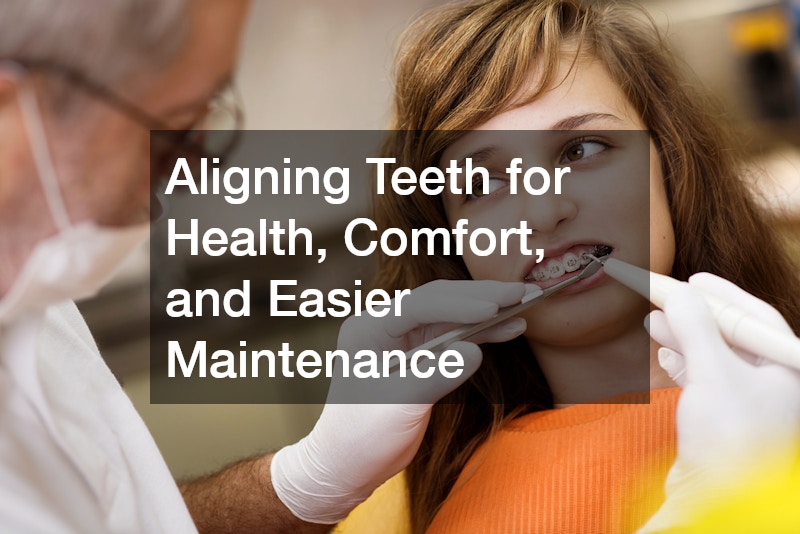
Misaligned teeth are not just an aesthetic concern; they can significantly impact oral health and functional efficiency. Orthodontic treatments address alignment issues, creating a harmonious relationship between teeth, jaw, and bite. By consulting an orthodontist, patients can explore treatment options such as braces or Invisalign.
The benefits of orthodontic care go beyond aesthetics, potentially alleviating issues like jaw pain and uneven tooth wear. Proper teeth alignment promotes better oral hygiene as aligned teeth are easier to clean and maintain. This ensures that food particles and plaque do not accumulate, reducing the risk of cavities and gum disease.
Orthodontic treatment is adaptable to various age groups, making it a feasible option for both children and adults. Advances in dental technology have introduced less noticeable and more efficient aligners, increasing the appeal of orthodontic solutions. Therefore, aligning teeth enhances not only the smile but also contributes to overall dental health.
Restoring Damaged Teeth Efficiently Without Multiple Appointments
Traditional crowns often require multiple visits to the dentist. However, same day crowns service utilizes advanced technology to craft and place restorative crowns in a single appointment. This approach reduces the time commitment for patients while ensuring durable and aesthetically pleasing results.
The process involves digital imaging and in-office milling machines, producing precise crowns that fit well and match natural tooth color. Immediate restoration minimizes the interim period with temporary crowns, providing immediate relief for damaged teeth. Patients benefit from fewer disruptions to their schedule and immediate improvements in function and appearance.
Same day crowns streamline the restoration process, eliminating the need for temporary solutions or second visits. The convenience and efficiency of this service align with modern patient expectations, making it a preferred option for those seeking rapid dental care. Ultimately, same day crowns support oral health by providing efficient, long-term solutions to tooth damage.
When Advanced Surgical Care Becomes Necessary
Complex dental issues sometimes require the expertise of an oral surgeon. Such professionals are trained to handle a variety of surgical procedures, including wisdom tooth removal and corrective jaw surgery. Their skills ensure that these treatments are performed safely and effectively, minimizing potential risks and complications.
Patients might need surgical interventions for issues that cannot be addressed through routine dental care. An oral surgeon provides critical care in these scenarios, ensuring that patients receive appropriate treatment for their specific conditions. Understanding when surgical care is necessary can help preserve oral health by addressing root causes rather than symptoms.
Oral surgery may also be required for biopsy and removal of oral pathologies. The precision of an oral surgeon helps ensure positive outcomes and swift recovery times. Access to advanced surgical care extends the scope of dental treatment, ensuring comprehensive management of complex oral health challenges.
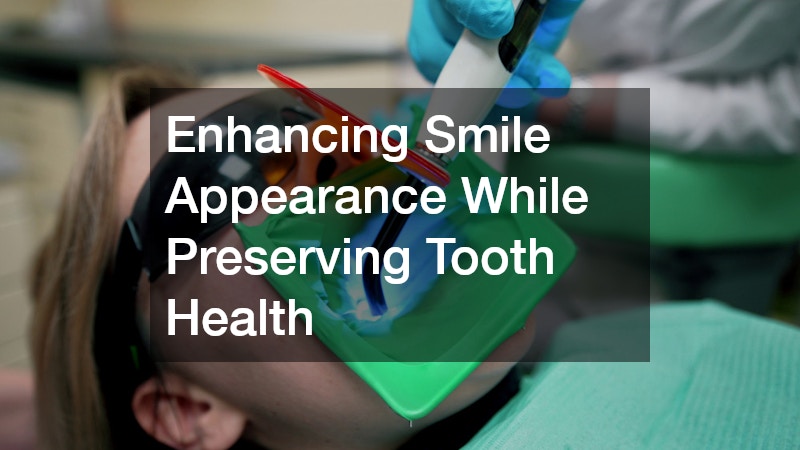
Enhancing Smile Appearance While Preserving Tooth Health
Cosmetic dentistry focuses on improving the appearance of your smile while maintaining overall oral health. Local cosmetic dentists offer a range of procedures, from teeth whitening to veneers, enhancing aesthetics without compromising tooth integrity. Such treatments not only boost confidence but also promote good oral hygiene.
Procedures like dental bonding and contouring further improve alignment and shape of teeth, ensuring a balanced smile. Cosmetic treatments often complement other dental services, creating a comprehensive care plan that addresses both beauty and function. The synergy between aesthetic and health goals underscores the value of consulting a skilled cosmetic dentist for tailored solutions.
By choosing enhancement procedures, patients can enjoy immediate confidence boosts and improved self-esteem. Furthermore, enhancing the smile often leads to more diligent oral care routines, as patients strive to maintain their beautiful new look. Cosmetic dental procedures thus foster both psychological and physical well-being.
Understanding When Dental Concerns Overlap With Medical Care
At times, dental issues may intersect with broader health concerns, requiring collaboration with primary care providers. Conditions such as diabetes and heart disease can have significant implications for oral health, necessitating coordinated care strategies. Recognizing this relationship ensures comprehensive and integrated management of health.
Dental professionals frequently work in tandem with medical counterparts to identify and monitor conditions that affect oral health. This collaboration aids in crafting effective care plans that address both dental and medical aspects, ensuring overall health optimization. Patients benefit by receiving holistic care that considers all aspects of their well-being.
Primary care involvement is crucial when dental symptoms might indicate other medical issues. For instance, persistent gum inflammation could signal underlying inflammatory diseases, warranting further investigation. Seamless communication between dentists and primary care providers fosters an ecosystem of care focused on both prevention and intervention.
Knowing Where to Go When Pain or Trauma Can’t Wait
Dental emergencies can range from severe toothaches to traumatic injuries, necessitating immediate attention. A local emergency room serves as an initial point of contact, especially during after-hours or when immediate pain relief is critical. Quick access to care ensures that patients receive prompt diagnosis and intervention.
While primary dental care addresses regular concerns, acute conditions sometimes require emergency services. Emergency rooms are equipped to handle urgent cases, providing necessary pain management and referrals for follow-up dental care. This ensures that patients are stabilized and set on a path to recovery.
Following initial stabilization, patients are often referred to their dentists for comprehensive treatment plans. This collaboration between emergency and dental services underscores the importance of a network of care providers. Ultimately, knowing where to receive emergency care is essential for addressing dental crises effectively and efficiently.
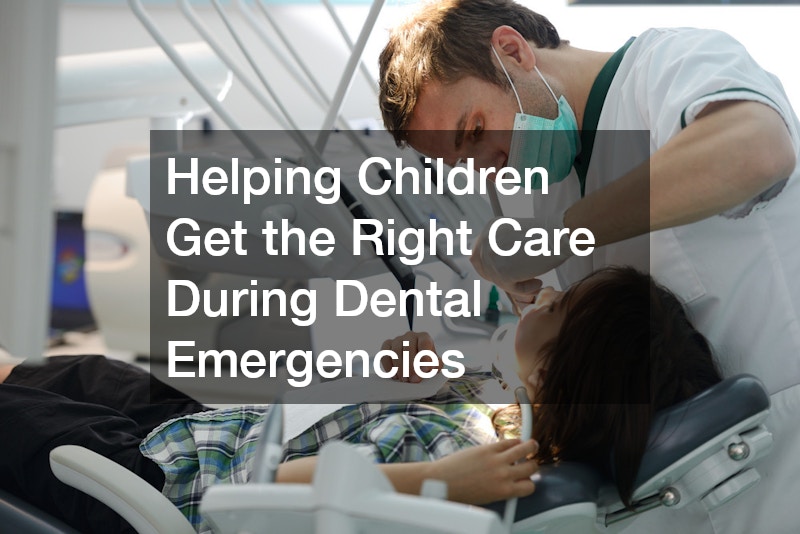
Helping Children Get the Right Care During Dental Emergencies
Children are particularly susceptible to dental emergencies, given their active lifestyles and ongoing dental development. Pediatric urgent care services provide specialized attention, attuned to the unique needs of young patients. Quick intervention can significantly reduce long-term consequences and discomfort.
Addressing dental emergencies in children requires a gentle approach, fostering comfort and security during treatment. Pediatric urgent care teams are trained to handle these situations with empathy, ensuring a positive experience for both child and parent. Ensuring access to such care minimizes anxiety and aids in swift recovery.
In some cases, urgent care may prevent potential complications, such as teeth misalignment resulting from untreated injuries. By providing quick, effective, and child-friendly care, pediatric urgent centers play a pivotal role in maintaining dental health during formative years. Establishing care relationships early can instill lifelong positive attitudes toward dental health.
The importance of comprehensive dental services in maintaining oral health and overall wellness cannot be overstated. By integrating routine preventive care, timely interventions, and specialized services, dental health professionals provide patients with the tools needed to achieve lasting oral health. As this guide outlines, each aspect of dental care, from preventive visits to emergency interventions, plays a crucial role in fostering a healthy, confident smile.