Maintaining vibrant dental health and overall physical well-being requires a proactive approach to caring for every system in the human body. Among these systems, oral health plays a critical, central role in daily comfort, nutrition, speech, and long-term systemic wellness. The mouth serves as the primary gateway to the body, meaning that conditions affecting teeth and gums can ripple outward, impacting overall confidence, social interactions, and physical health across every stage of life.
Navigating the expansive landscape of modern healthcare and family planning involves making informed choices regarding daily preventive habits, specialized treatments, and responsive professional care. Understanding how routine maintenance intersects with broader lifestyle decisions, developmental milestones, and urgent health needs empowers households to build stable, protective environments. This comprehensive guide explores primary strategies for long-term oral care, developmental support, and responsive professional care to help families maintain optimal health and structural peace of mind.
1. Protecting Structural Foundation with Routine Preventive Habits
Establishing a solid foundation for long-term oral health begins with consistent, daily preventive protocols performed at home. Brushing twice daily with fluoride toothpaste removes plaque—a sticky biofilm of bacteria that constantly forms on tooth surfaces. When plaque remains on enamel, it produces acids that dissolve tooth structure, leading to cavities and inflammation of surrounding gum tissue. Over time, unaddressed plaque calcifies into hard tartar deposits, which trap bacteria against the gumline and accelerate the onset of periodontal tissue breakdown.
Accessing comprehensive dental services ensures that routine home care is supplemented by professional clinical examinations, digital diagnostic imaging, and thorough cleanings. Professional hygienists utilize specialized scaling instruments and ultrasonic devices to remove hardened tartar deposits that regular brushing cannot displace, effectively halting early gum inflammation before it progresses into irreversible bone loss. Furthermore, regular diagnostic evaluations allow clinicians to assess bite force distribution, inspect soft tissues for early signs of pathology, and monitor existing restorations for micro-leakage or structural wear.
-
Twice-Daily Cleaning: Brushing for two full minutes using a soft-bristled brush protects enamel while gently massaging soft tissue.
-
Interdental Cleaning: Daily flossing removes hidden food debris and plaque from tight spaces between teeth where toothbrush bristles cannot reach.
-
Fluoride Protection: Incorporating fluoride strengthens enamel crystals, making tooth surfaces far more resistant to acid erosion.
-
Regular Clinical Screenings: Scheduling biannual checkups allows practitioners to catch microscopic decay and soft tissue changes early.
2. Elevating Visual Harmony and Personal Confidence Through Modern Aesthetic Treatments
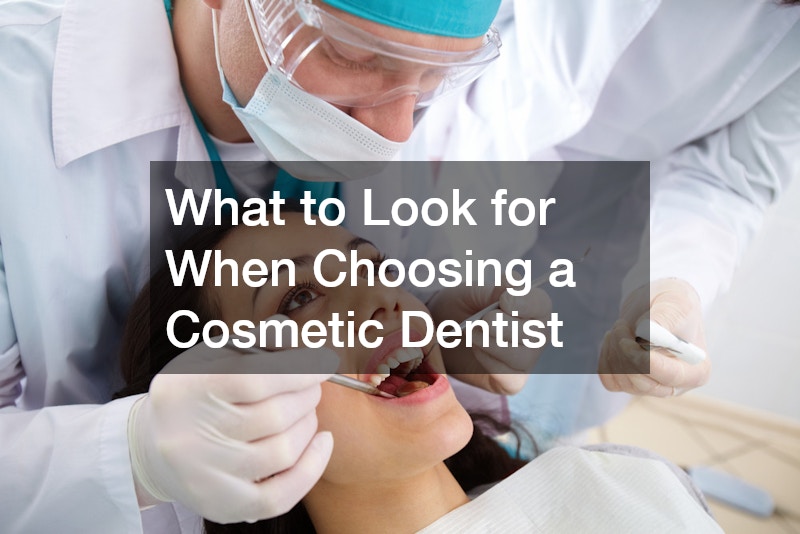
While functional health remains the primary focus of oral care, the visual appearance of a smile heavily influences personal confidence, professional interactions, and self-esteem. Discolored, chipped, or misaligned teeth can cause individuals to hold back their natural expressions during daily social conversations, public speaking engagements, and professional networking opportunities. A vibrant, well-aligned smile often projects vitality and self-care, opening doors in both personal and career environments.
Exploring modern cosmetic dentistry offers patients tailored clinical solutions designed to enhance tooth shape, shade, and overall alignment without sacrificing underlying structural integrity. Contemporary aesthetic treatments utilize advanced ceramic materials and conservative techniques that preserve healthy natural enamel while creating symmetrical, radiant results. Whether correcting minor surface imperfections or planning a complete smile transformation, custom treatment plans combine art and science to achieve natural-looking harmony that complements a patient’s unique facial features.
-
Professional Enamel Whitening: High-concentration clinical bleaching gels safely dissolve deep enamel stains caused by coffee, tea, and age.
-
Custom Porcelain Veneers: Ultra-thin ceramic shells bond directly to front surfaces to conceal stubborn discolorations, chips, or slight gaps.
-
Composite Enamel Bonding: Tooth-colored resin is sculpted directly onto minor chipped edges for fast, seamless aesthetic repairs.
-
Digital Treatment Planning: Advanced imaging software allows patients to view digital previews of prospective smile transformations before beginning treatment.

3. Guiding Early Developmental Milestones with Specialized Pediatric Care
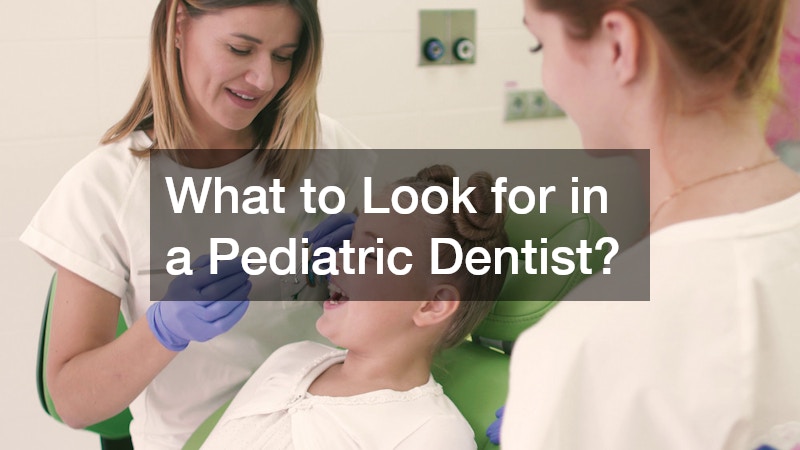
A child’s journey toward lifelong oral health begins long before their permanent adult teeth arrive. Primary teeth serve as essential space maintainers, guiding jaw development and holding correct positions for underlying adult teeth. Early decay in primary teeth can cause pain, speech delays, and nutritional difficulties while increasing the risk of alignment issues later in life. Furthermore, early negative experiences can instill lasting dental anxiety that persists into adulthood.
Consulting a dedicated dentist for kids ensures that young patients receive age-appropriate care in a welcoming, anxiety-free environment designed specifically for smaller mouths and growing jaw structures. Pediatric specialists focus heavily on early preventive therapies, growth monitoring, and gentle behavior guidance to foster positive attitudes toward health appointments. They also educate parents on proper infant oral hygiene, healthy nutritional habits, and how to effectively manage teething discomfort during early developmental transitions.
-
Early Dental Homes: Establishing a clinical relationship by a child’s first birthday sets a foundation for stress-free preventive visits.
-
Protective Dental Sealants: Applying thin, plastic coatings into deep grooves of back molars creates a barrier against food and bacteria.
-
Topical Fluoride Varnish: Fast-acting fluoride applications strengthen primary enamel and help remineralize early surface decay.
-
Habit Modification Guidance: Professional support helps parents manage prolonged thumb-sucking or pacifier use to prevent jaw misalignment.
4. Supporting Childhood Foundations Through Early Learning Environments
A child’s overall growth depends on a harmonious balance of physical health, social development, and cognitive stimulation. Just as early oral care establishes healthy habits for life, early educational settings introduce children to structured routines, socialization, and foundational problem-solving skills during crucial developmental years. Early childhood experiences lay the neural groundwork for critical thinking, emotional resilience, and lifelong learning habits.
Enrolling a young child in a high-quality preschool program nurtures curiosity, emotional regulation, and fine motor skills in a supportive, play-based environment. These early learning centers work alongside families to build confident, well-adjusted children who are fully prepared for formal academic journeys. By engaging in collaborative play and structured group learning, children develop essential social-emotional competencies that serve as the bedrock for all future academic and personal success.
-
Social Interaction Practice: Group activities teach young children sharing, empathy, active listening, and cooperative conflict resolution.
-
Language and Literacy Exposure: Interactive storytelling, singing, and phonetic play build early vocabulary and pre-reading skills.
-
Cognitive and Motor Development: Hands-on art, puzzles, and outdoor play refine hand-eye coordination and spatial awareness.
-
Structured Routine Building: Predictable daily schedules help young learners adjust to classroom transitions and group expectations.
5. Navigating Adolescent Growth and Academic Transitions
As children progress into adolescence, their health, social, and educational needs undergo significant evolution. Teenagers face unique oral health challenges, including increased risks for sports-related dental injuries, wisdom tooth impactions, and dietary shifts toward sugary or acidic beverages. Simultaneously, their academic environment demands greater focus, independence, and long-term planning as they begin mapping out prospective career paths and higher education opportunities.
Attending a supportive high school environment helps teenagers balance demanding academic workloads with extracurricular pursuits, personal wellness, and career exploration. Educational institutions that emphasize holistic development encourage students to maintain healthy daily habits while pursuing academic excellence and preparing for higher education or vocational pathways. Guidance counselors, coaches, and educators work together to foster an atmosphere where students can build strong leadership skills, discover personal passions, and navigate complex social dynamics.
-
Comprehensive Academic Curricula: Rigorous coursework in mathematics, sciences, and humanities develops critical thinking and research skills.
-
Extracurricular Opportunities: Athletics, arts, and student organizations foster leadership skills, teamwork, and healthy physical activity.
-
Health and Wellness Education: Guidance programs educate teenagers on nutrition, stress management, and physical health care.
-
College and Career Preparation: Academic counseling helps students align their talents with future professional goals and university requirements.
6. Evaluating Structural Advantages in Tailored Educational Frameworks
Parents evaluating educational pathways often weigh various institutional models to find the best fit for their child’s learning style, values, and future goals. Educational environments vary widely in class sizes, specialized resources, extracurricular offerings, and pedagogical philosophies, making careful research essential for family planning. The right educational match can significantly amplify a student’s natural talents and foster a deep, lifelong passion for learning.
Understanding the benefits of private schooling allows families to explore educational settings that offer low student-to-teacher ratios, highly specialized academic tracks, and dedicated character development programs. Tailored learning environments can adapt swiftly to individual student needs, providing enriched resources that support both academic success and personal growth. Furthermore, these institutions frequently offer specialized mentorship programs, advanced technology integration, and expansive global learning networks that prepare students for competitive modern careers.
-
Smaller Class Sizes: Low student-teacher ratios ensure individualized attention, personalized feedback, and close academic mentoring.
-
Specialized Curricula: Specialized programs in STEM, fine arts, or global languages provide deep learning opportunities tailored to student interests.
-
Strong Community Values: Shared educational philosophies foster tight-knit partnerships between faculty, students, and parents.
-
Advanced Learning Resources: State-of-the-art laboratories, athletic facilities, and arts centers enhance everyday learning experiences.
7. Managing Sudden Acute Conditions with Immediate Medical Interventions
Even with meticulous daily maintenance, unexpected health crises can occur at any moment. Sudden severe pain, sharp fevers, minor injuries, or acute infections require swift professional evaluation to alleviate suffering, prevent complications, and stabilize overall health. Having a clear action plan for acute medical events prevents panic and ensures that family members receive appropriate care without unnecessary delays.
Seeking treatment at an urgent care facility provides families with rapid, non-appointment access to medical evaluation for non-life-threatening conditions. These ambulatory centers bridge the gap between primary care appointments and hospital emergency rooms, offering efficient diagnostics, prescription services, and minor procedure capabilities. By utilizing outpatient care centers for minor fractures, sprains, and acute illnesses, families receive high-quality medical attention quickly while reserving emergency room resources for life-threatening crises.
-
Rapid Access to Care: Walk-in availability ensures prompt medical attention without extended wait times or advanced booking.
-
On-Site Diagnostic Capabilities: Integrated digital x-ray and lab testing equipment allow for immediate evaluation of sprains, fractures, and infections.
-
Treatment of Minor Injuries: Skilled clinicians handle lacerations, minor burns, sprains, and acute respiratory illnesses efficiently.
-
Cost-Effective Service: Facility fees are typically significantly lower than hospital emergency room visits for comparable non-emergent care.
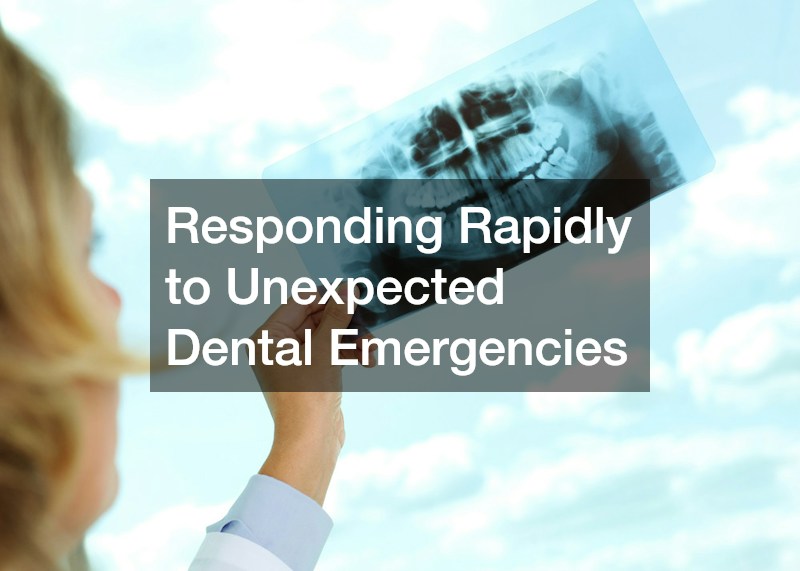
8. Responding Rapidly to Unexpected Dental Emergencies
Dental trauma, severe toothaches, lost restorations, or soft tissue bleeding demand immediate, specialized attention. Delaying treatment for an acute oral issue can lead to systemic infection spread, irreversible nerve damage, or permanent loss of a compromised tooth. When dental trauma occurs, the first few hours are crucial for determining whether a natural tooth can be successfully saved and restored to full function.
Contacting a certified emergency dentist ensures that severe oral pain and traumatic injuries are evaluated and stabilized using specialized pain-management techniques and urgent clinical protocols. Rapid intervention relieves intense discomfort while preserving natural tooth structures whenever possible. Specialized clinicians can quickly diagnose hidden root fractures, drain painful abscesses, and re-cement dislodged restorations, restoring both function and peace of mind during highly stressful moments.
-
Immediate Pain Relief: Rapid administration of local anesthetics and targeted therapies halts severe, debilitating oral pain.
-
Trauma Stabilization: Immediate reimplantation and splinting of knocked-out or displaced teeth dramatically increases long-term survival rates.
-
Infection Management: Opening draining abscesses and prescribing targeted antibiotics prevents dangerous bacterial spread through facial tissues.
-
Restoration Repairs: Repairing broken crowns, fractured fillings, or loose bridges protects vulnerable underlying nerves from exposure.
9. Ensuring Continuous Around-the-Clock Access to Urgent Care
Severe medical and dental crises rarely occur conveniently during standard business hours. Intense throbbing pain, accidental sports trauma, or facial swelling frequently strikes late at night, during weekends, or over major holidays when standard clinical offices are closed. During these off-hours, patients without access to specialized care often end up in hospital emergency rooms that lack specialized dental equipment.
Having access to a 24 hour dentist provides invaluable peace of mind for households facing severe off-hours oral crises. Around-the-clock emergency clinics remain staffed and equipped at all times to handle severe hemorrhaging, acute facial trauma, and unmanageable pain that cannot safely wait until morning. These continuous-care facilities ensure that patients receive immediate, specialized oral treatment at any hour, preventing unnecessary suffering and protecting overall health around the clock.
-
Continuous Availability: Full-service clinical operations run overnight, on weekends, and throughout holidays for uninterrupted care access.
-
Emergency Surgical Procedures: On-call clinicians perform urgent extractions, root canal therapy, or surgical drainage as needed.
-
Advanced Pain Control: Immediate access to prescription-grade pain relief and anti-inflammatory therapies manages extreme distress.
-
Prevention of ER Overcrowding: Dedicated emergency dental centers divert specialized oral trauma cases away from busy hospital emergency departments.
10. Navigating Professional Legal Frameworks and Estate Protections
Comprehensive household planning extends beyond immediate physical health and education to encompass legal security, financial organization, and long-term asset protection. Protecting a family’s financial stability, real estate investments, and personal rights requires clear, legally binding frameworks established with expert professional guidance. Proactive legal preparation ensures that a family’s hard-earned assets are preserved and handled according to their exact wishes during unexpected life changes.
Consulting an established law firm enables individuals and business owners to draft essential legal instruments, navigate complex regulatory requirements, and protect their assets. Experienced attorneys assist with estate planning, medical directives, real estate transactions, and contract management, ensuring that family interests remain secure under all circumstances. Establishing strong legal foundations eliminates future ambiguities, reduces administrative burdens on loved ones, and provides absolute confidence in your family’s financial future.
-
Estate Planning and Wills: Drafting comprehensive wills, trusts, and guardianship directives guarantees that family assets are protected and distributed according to clear wishes.
-
Healthcare Powers of Attorney: Establishing legal medical proxies ensures trusted family members can make critical healthcare decisions during unexpected incapacitation.
-
Real Estate and Property Law: Professional legal review of property titles, purchase contracts, and lease agreements prevents costly future disputes.
-
Business and Asset Protection: Structuring business entities and commercial agreements safeguards personal wealth from operational liabilities.
Building a secure, healthy, and fulfilling life for yourself and your family requires a balanced, proactive approach across health, education, and legal planning. By prioritizing daily preventive care, staying attentive to developmental needs, and establishing clear plans for unexpected emergencies, households protect their long-term well-being and peace of mind. Every thoughtful step—from maintaining oral health and supporting quality educational journeys to securing legal protections and accessing responsive emergency care—contributes to a resilient, thriving home environment. Taking a proactive approach to lifelong care ensures that your family remains supported, protected, and empowered through every stage of life.