In this article, we explore the best practices and strategies that great pediatric dentists use to ensure a smooth and successful first appointment for kids. Understanding what goes into this process can help parents prepare and make informed decisions about their child’s dental health.
How to Prepare Your Child for Their First Dental Appointment?
A first dental appointment can indeed be nerve-wracking for both children and parents, which is why preparation is crucial. Integrating role-playing activities where the parent acts as the dentist can familiarize the child with what to expect. Additionally, reading children’s books about visiting the dentist can create a storyline that makes the trip sound fun and educational.
Pediatric dentists often recommend informing children about the appointment in a positive manner, emphasizing the fun tools and friendly staff they will meet. Parents can use real-life scenarios to explain how important dental health is, showing how the “sugar bugs” are chased away by the dentist and their special tools. Providing rewards or incentives after the appointment can further motivate children to view their dentist as an ally in their oral health journey.
Avoiding any negative language about the dentist in front of children is essential, as it might instill fear or resistance to the visit. It’s wise to play games pretending to examine toys’ teeth to desensitize the child to the examination setting. Families are encouraged to bring a favorite toy or comfort item to the appointment to help their child feel secure and supported.
What to Expect During the Initial Visit?
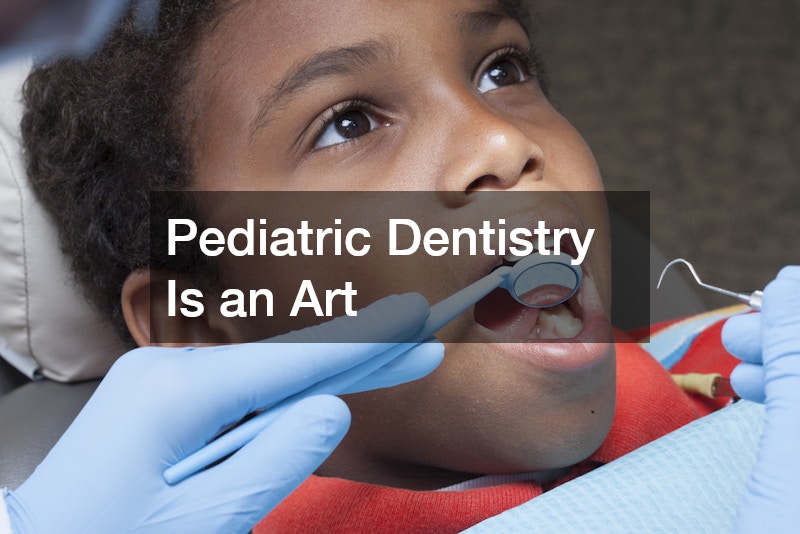
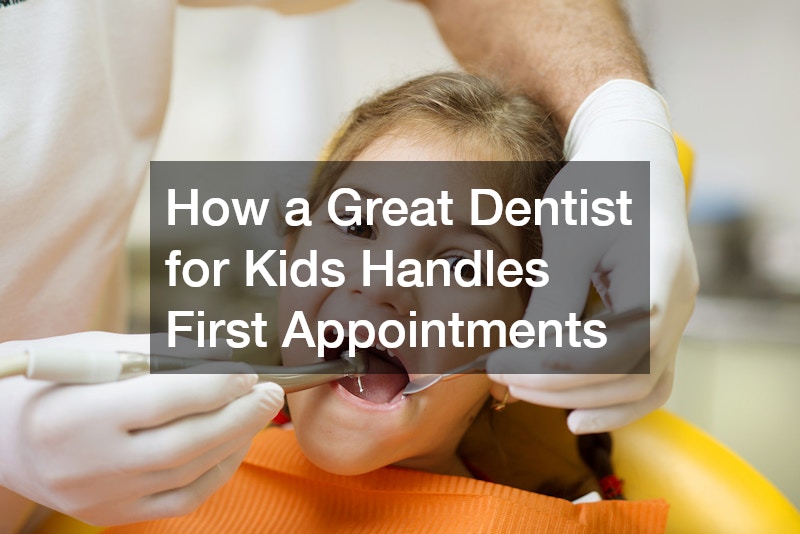
The initial dental visit typically involves a gentle examination and counting of the child’s teeth. Pediatric dentists might explain each step of the process to both the child and the parent, turning the visit into an educational experience. Using fun flavors of toothpaste and mirrors for children to see what is happening can turn anxiety into curiosity and engagement.
During the first examination, the dentist evaluates the child’s oral health, checking for any signs of cavities or developmental issues. Parents will receive valuable advice on cleaning and caring for their child’s teeth, which underscores the importance of establishing proper brushing techniques early on. X-rays may be taken if necessary, but only if the child is comfortable, ensuring the experience remains positive.
After the examination, pediatric dentists often discuss the findings with the parents, providing specific recommendations for at-home care. Often, a small goodie bag with a new toothbrush and floss serves as an exciting reward for the child. Scheduling regular follow-up visits is emphasized to maintain oral health and continue building the child’s trust with the dental environment.
How Do Dentists Handle Uncooperative Children?
Children who are uncooperative or anxious during dental visits require a special approach, utilizing patience and creativity. Pediatric dentists are trained in methods that prioritize the comfort and confidence of the child, like allowing extra time for acclimation. Singing songs or drawing the child’s attention to colorful pictures can divert focus from any discomfort and transform the clinic into a place of curiosity and exploration.
Pediatric clinics typically employ desensitization techniques, where children can gradually meet the staff and explore the equipment. Behavioral guidance tactics, such as positive reinforcement and tell-show-do methods, can enhance cooperation from the child. Clear communication with the parent ensures they understand the strategies being used and can reassure their child effectively.
If a child continues to exhibit significant anxiety, sedation options may be discussed as a gentle alternative to alleviate stress. Parents are coached to maintain a calm demeanor, as children often pick up on adult cues. Building a continuous relationship with a pediatric dentist assists in the child’s adjustment and acceptance of routine dental care with minimal resistance.
First dental appointments can set the tone for a child’s attitude towards oral hygiene. By choosing a skilled dentist for kids and preparing accordingly, you can help build a foundation for lifelong dental health. Pediatric dental clinics work diligently to make early dental visits positive, ensuring that children maintain their dental visits willingly as part of their overall health routine.